Circuit Breaker Replacement in Staten Island NY - When the Breaker Itself Is the Problem
Replaces breakers that trip constantly, feel warm, or no longer reset. Sometimes the breaker is doing its job and sometimes the breaker is the failure. We find out which.
A breaker that trips is usually telling you the truth about the circuit behind it. But breakers also wear out, and a failed breaker either trips for no reason or, far worse, stops tripping when it should. Premier Electrical Contractors Inc tests and replaces circuit breakers across Staten Island NY, and we start by finding out whether the breaker or the circuit is the actual problem. Most of these calls are handled the same day.
When You Need Circuit Breaker Replacement
Start with the honest version. A breaker that trips when you run the microwave and the toaster together is working correctly, and replacing it fixes nothing. Putting a larger breaker on the same wire is one of the most dangerous things a homeowner can do, because the breaker protects the wire, and a bigger breaker just lets the wire overheat before anything shuts off.
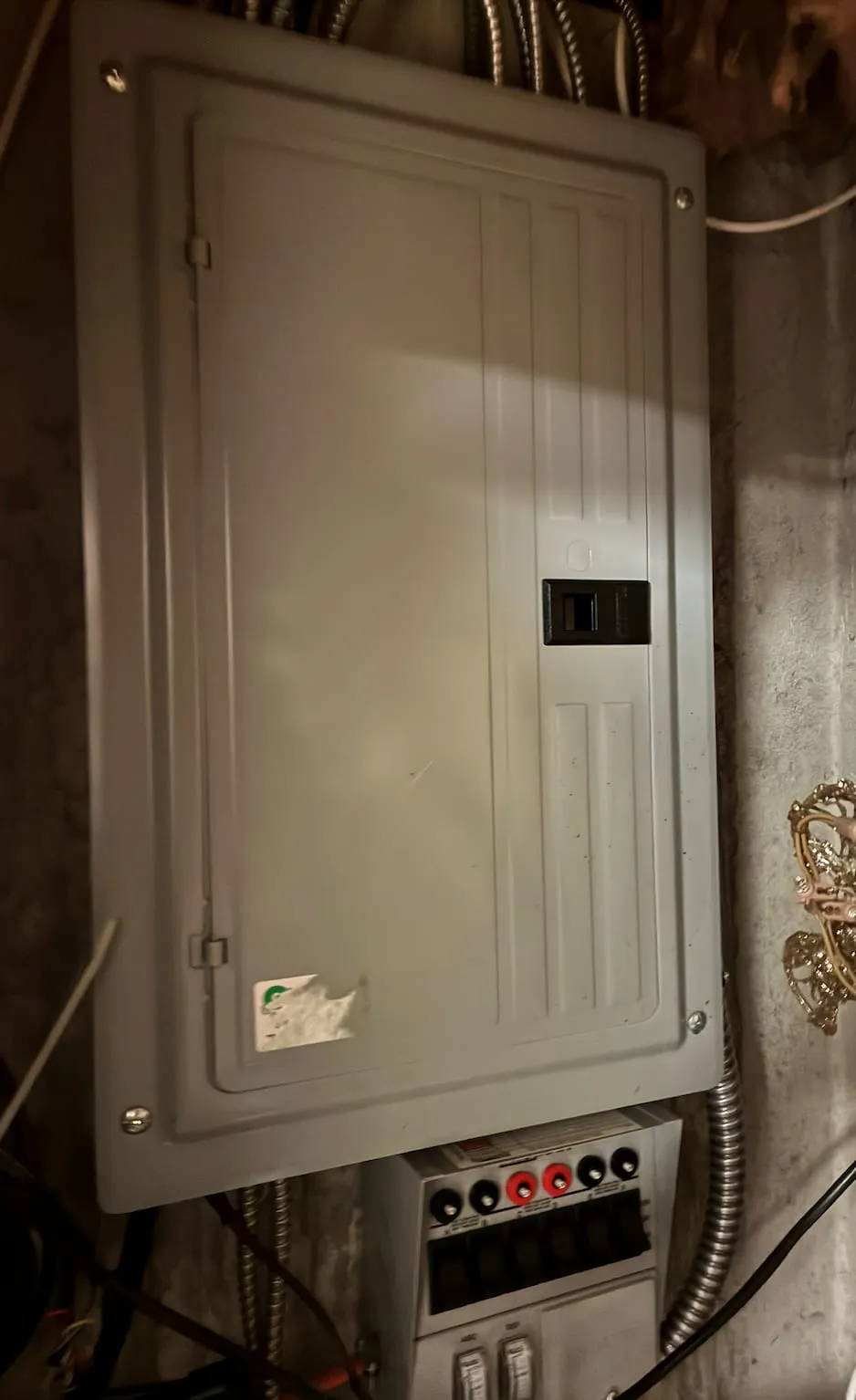
That said, breakers genuinely fail. A breaker that trips at random with nothing unusual running may have gotten weak from age or repeated tripping, though a loose connection or a fault on the circuit can look the same from the outside, which is why we test rather than guess. A breaker that will not reset at all, or that feels loose and springy compared to its neighbors, is done. A breaker that feels warm to the touch, is discolored, or has a scorched face is typically failing at the connection to the bus.
The dangerous failure is the one you cannot see. A breaker that no longer trips under fault conditions leaves the circuit unprotected. Certain older panel and breaker brands have a documented history of failing calibration testing, which is why home inspectors and insurers flag them.
Other reasons to replace include upgrading to AFCI protection in bedrooms and living areas, or GFCI protection in kitchens, baths, garages, basements, laundry rooms, and outdoors, both of which current code requires in new and updated work. Doubled breakers on a single lug also need correcting.
Corrosion is a local factor. On the East and South Shores, breakers in panels that took water during Sandy are supposed to be replaced rather than dried out and put back in service, and the contact between breaker and bus is where corrosion tends to show first.
A warm breaker or a burning smell means call today, not next week.
Our Circuit Breaker Replacement Process
We diagnose before we replace, because replacing a breaker that was doing its job wastes your money and leaves the real problem in place.
Our electrician starts at the panel. We check the breaker's condition, its connection to the bus, and the temperature of the breaker and the surrounding bus with a thermal camera. Heat often shows a bad connection before anything visible does.
Then we test the circuit. We measure the actual load on it, look for a short or a ground fault, and check for problems at the devices along the run. If the circuit is simply overloaded, the answer is a new dedicated circuit rather than a bigger breaker, and we will explain that clearly.
If the breaker is the failure, we replace it with the correct type and rating for that circuit and that panel. Breakers have to be listed or classified for the specific panel they go in, and dropping in whatever brand happens to fit is a real code and safety issue that we see constantly in panels other people have worked on. We match it properly.
Where code calls for it, we install AFCI or GFCI breakers rather than standard ones, and we explain what each does so the added cost makes sense.
We correct anything unsafe we find in the process, including doubled breakers, loose lugs, and breakers oversized for their wire. Terminations get torqued to specification.
Then we test the circuit under load, trip and reset the new breaker, verify AFCI and GFCI function, and update the panel directory. Most breaker replacements are finished in a single visit, often the same day you call.
Circuit Breaker Replacement Cost in Staten Island
The breaker type is the main variable. A standard single pole breaker is inexpensive. A double pole breaker for a 240-volt circuit costs more, and AFCI and GFCI breakers cost considerably more than either, because of what is inside them.
The panel brand matters more than people expect. Breakers have to match your specific panel, and some older or discontinued panels use breakers that are expensive or hard to source. If your panel is one of those, that is also usually a sign the panel itself deserves a conversation.
Quantity brings the cost per breaker down, so if several need attention, doing them in one visit is more efficient.
Diagnosis is part of the job. If the trouble turns out to be a fault in the circuit rather than the breaker, the repair is a separate scope and we will quote it before doing it.
Estimates are free and there is no trip fee, so having us diagnose costs you nothing if you decide not to proceed. You get a written price before we start. If we open the panel and find corrosion, a burned bus, mixed brand breakers, or a discontinued panel brand with a poor safety record, we photograph it and talk through options rather than putting a new breaker on a failing bus.
Why Choose Us
The most important thing we do on this job is refuse to install a bigger breaker on the same wire. It is what people ask for, it would make the tripping stop, and it would create a fire hazard inside the wall, the kind of failure behind thousands of residential electrical fires every year. We will explain the real fix instead.
Premier Electrical Contractors Inc carries breaker stock on the van, which is why most of these calls get resolved in one visit instead of turning into a return trip. We have worked Staten Island since 1994, three generations, out of 38 Granite Ave in Mariners Harbor.
Michael Livia holds NYC Master Electrician License 11210, and anything requiring a Department of Buildings filing gets filed by us.
We are fully licensed, bonded, and insured, with a Certificate of Insurance available on request. Estimates are free with no trip fee, and when you call an actual electrician calls you back, usually within the hour. Same-day service is available when the schedule allows, which matters when half your house is dark. Every job carries our 100% satisfaction guarantee.
Get Free Estimate
A Warm Breaker Is a Same Day Call
If a breaker feels warm, will not reset, or trips with nothing running, that is worth an electrician today. Call Premier Electrical Contractors Inc at 929-661-6962. Free diagnosis, no trip fee, and most breaker work done in one visit. Monday through Friday, 8:00 AM to 4:00 PM, serving all of Staten Island.